
Chemical Peels Edmonton
Edmontonians can now enjoy hair-free results from Chemical Peels – fast, effective, and totally worth it.
The Best Chemical Peel Service In Edmonton
At Tropicalaser we use Alumier chemical peels which range in strength and composition so we can customize our treatment to your specific skin care needs.
Alumier is a Canadian medical grade skin care line. They source their ingredients globally but manufacture product in Canada. All Alumier products, including their peels, are free of parabens, sulphates, petrolatum, mineral oils and dyes.
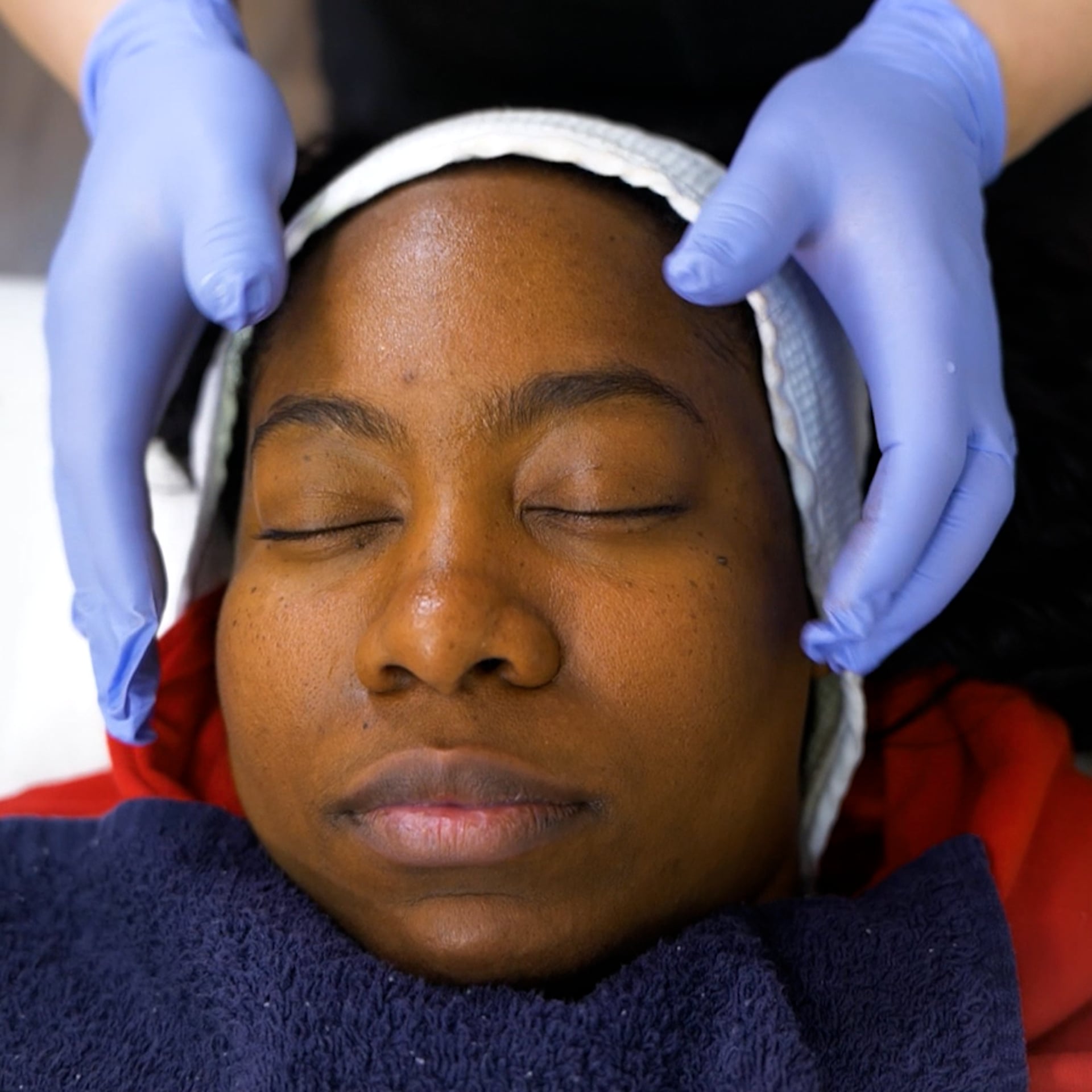
While they may sound harsh or frightening, chemical peels are a safe and effective way to reveal younger, healthier looking skin. Tropicalaser’s staff are certified to perform chemical peels by Alumier, a leading brand of professional, medical grade skin care treatments and products. Your skin care professional will help you identify your skin type and major concerns, and perform the treatments that will be most effective for you. Monthly chemical peels can even skin tone, clear acne, reduce pore size, reduce hyperpigmentation, improve the appearance of aging skin and make dull complexions glow.
We like to enhance our peels with added treatments e.g. masks, brightening accelerator and serums. These little extras increase the efficacy of the peel and enhance your overall experience.
What You Get

Even Out Skin Tone
Manage acne and treat hyperpigmentation by unclogging pores and revealing a new layer of even texture skin

Reduce Wrinkles & Fine Lines
Reduce the effects of ageing, crows feet, wrinkles and naolabial folds by remove the outer layer of skin

Youthful Glow
Stimulate the natural collagen production to keep skin supple, vibrant, and firm
Chemical Peels Edmonton Pricing
In keeping with Tropicalaser’s policy of radical inclusivity, we have moved to a single price list for all genders.
Chemical Peels
-
Chemical Peel $160+
Single Session
-
Chemical Peel $450+
Package of 3
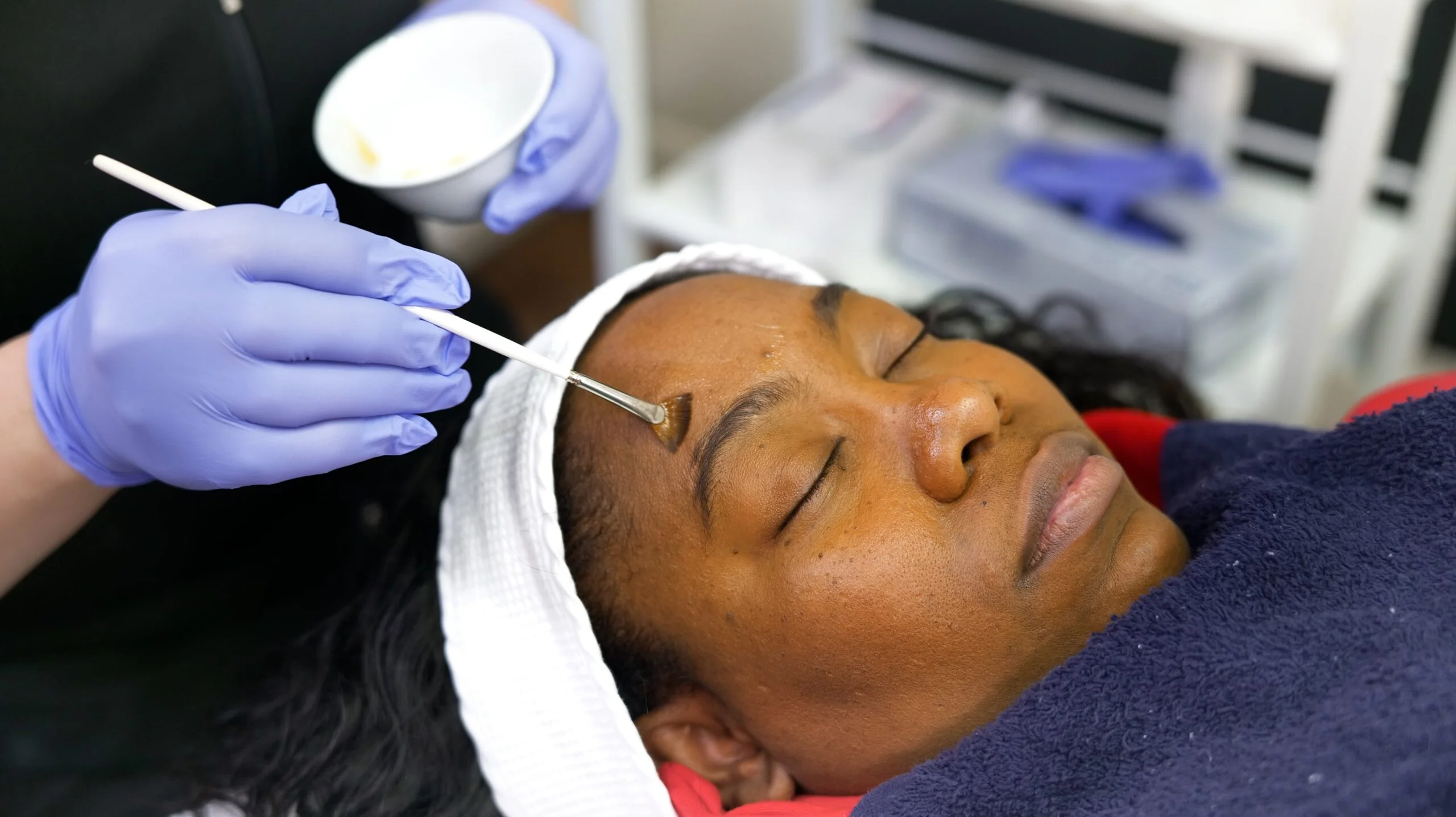
Benefits of Chemical Peels Edmonton
Chemical peels employ a blend of acids to exfoliate the skin’s surface, removing dead cells and revealing smoother, more radiant skin beneath. They are effective in addressing various skin issues, including acne, hyperpigmentation, and signs of aging, such as wrinkles and fine lines.
Below you will find two tables. The first describes what peels Tropicalaser offers, what skin conditions each peel is best suited to and what ingredients they contain. The second provides more information on the acids used in the different peels.
| PEEL | CONSTITUENTS | RECOMMENDED USES |
|---|---|---|
| Glow Peel | Salicylic Acid – 7% Lactic Acid – 7% Resorcinol – 7% | Most aggressive peel; good for fine lines, wrinkles, hyperpigmentation. Can be customized with layers. Caution: Use 1 layer for skin types V and VI. |
| BHA 20 | Salicylic Acid – 20% | Treats acne and reduces skin discoloration. Ideal for oily and acne-prone skin. |
| AHA Duo | Lactic Acid – 20% Glycolic Acid – 10% | Reduces large pores, fine lines, wrinkles, and skin discoloration. |
| Renew 20/10 | Lactic Acid – 20% Salicylic Acid – 10% | Treats acne, reduces large pores, fine lines, wrinkles, and skin discoloration. |
| Renew 30 | Lactic Acid – 30% | Gentle peel for decreasing visible signs of aging and hyperpigmentation. |
| COMPONENT | ALUMIER PEELS | DESCRIPTION |
|---|---|---|
| Salicylic Acid | Glow Peel – 7% BHA – 20% Renew 20/10 – 10% | Beta Hydroxy Acid (BHA) peel; exfoliates superficial layers, improves pigmentation, safe for all skin types. |
| Glycolic Acid | AHA Duo – 10% | Alpha Hydroxy Acid (AHA) peel; exfoliates, enhances hydration, improves texture, lightens sun spots, good for anti-aging. |
| Lactic Acid | Glow Peel – 7% AHA Duo – 20% Renew 20/10 – 20% Renew 30 – 30% | AHA found in milk; less penetrating, suitable for dry/sensitive skin, decreases signs of aging and hyperpigmentation. |
Chemical peels employ a blend of acids to exfoliate the skin’s surface, removing dead cells and revealing smoother, more radiant skin beneath. They are effective in addressing various skin issues, including acne, hyperpigmentation, and signs of aging, such as wrinkles and fine lines.
Below you will find two tables. The first describes what peels Tropicalaser offers, what skin conditions each peel is best suited to and what ingredients they contain. The second provides more information on the acids used in the different peels.
Pre & Post Chemical Peels Treatment
Pre-Treatment
- Discontinue use of retinoids (Retin-A, Renova, AHA’s etc), glycolic or other acids at least 1 week prior to treatment.
- Do not exfoliate your skin for at least 1 week prior to treatment.
- Postpone procedure if you have an active cold sore or fever blister. Avoid unprotected sun exposure for 3 weeks prior to treatment.
- Most medical esthetic treatments (e.g. laser, microneedling, microdermabrasion, RF, Botox, fillers) should be avoided for a minimum of 2 weeks before treatment. If you are in doubt, please consult your Tropicalaser specialist.
Post-Treatment
- Do not apply any products (including water) to the treated area until the next morning.
- Use only the provided post-treatment kit for at least 5 days.
- Avoid sun exposure for 2 days; avoid unprotected or extended sun exposure for 2 weeks. No self-tanner for 1 week and no tanning beds for 3 weeks.
- Wear a mineral sunscreen SPF 15–45; avoid non-medical sunscreens above SPF 35.
- Avoid retinoids, AHAs, glycolic acids, and essential oils for 1 week.
- No physical or chemical exfoliation for 1 week.
- No waxing for 1 week.
- Avoid all other esthetic procedures for 2 weeks unless approved by your provider.
- Avoid hot water, saunas, steam rooms, and hot tubs for 2 days.
- Avoid swimming for 2 days.
- Peeling or flaking may occur—do not pick. If no peeling occurs, that is also normal.

Testimonial
What Our Customers Say
Frequently Asked Questions
Q.What is Chemical Peel?
A.
A chemical peel is a technique used to improve the appearance of the skin. A chemical solution is applied to the skin, which makes it “blister” and eventually peel off.
The new, regenerated skin is usually smoother and less wrinkled than the old skin. A face chemical peel can be done in a doctor’s office or at home.
There are many different types of chemicals that can be used for a chemical peel, including alpha hydroxy acids (AHAs), beta hydroxy acids (BHAs), and Jessner’s Solution.
Different chemicals are used for different purposes – for example, AHAs are used to treat sun damage and wrinkles
Q.How soon will I see results from my Chemical Peel?
A.
Most people see some improvement in their skin within a few days of having a chemical peel, but the full results will not be visible until the skin has healed, which usually takes about two weeks.
It is important to keep in mind that everyone’s skin is different and will react differently to chemical peels. Some people may experience more redness, peeling, and swelling than others.
It is also recommended that you avoid sun exposure after having a chemical peel, as this can increase the chances of developing sunburns and other skin problems.
Q.How do I choose the right chemical peel?
A.
There are a few different types of chemical peels available on the market, and the best one for you will depend on your specific skin concerns.
One popular type of peel is the glycolic acid peel, which is good for treating wrinkles, sun damage, and other signs of aging. Another option is the salicylic acid peel, which is effective for treating acne and oily skin.
If you’re not sure which type of peel is best for you, our experienced skincare expert who can help you choose the right treatment for your needs.
Q. How often can I get Chemical Peel?
A.
You can get a chemical peel every month, but it’s best to space them out every 3-4 weeks. A chemical peel are great because they improve the appearance of your skin by removing the damaged outer layers.
Your face will look younger and smoother after just one peel, but multiple peels provide even better results. It’s important to note that chemical peels work best on lighter skin tones. So if you have darker skin, be sure to consult with a doctor before getting a chemical peel.
Q.What are the side effects of Chemical Peels?
A.
A face Chemical peel can have a number of potential side effects, such as skin redness, swelling, and blistering.
More severe side effects include changes in skin color, infection, and scarring.
It is important to talk to your doctor before you undergo a face chemical peel to find out if it is the right treatment for you and to learn about the risks and benefits associated with the procedure.
Q.Who is a good candidate for a chemical peel?
A.
Most skin types can benefit from chemical peels. They are suitable for concerns such as acne, acne scars, fine lines, sun damage, uneven tone, and dull skin. A consultation is required to determine the best peel for your skin.